November 21, 2026
Hard water is a common issue in many households, characterized by high concentrations of calcium and magnesium minerals. These minerals affect everyday household chores, from dishwashing to showering, creating both visible and hidden costs. Hard water leads to mineral buildup in appliances and plumbing, diminishes soap effectiveness, and leaves deposits on glassware and bathroom fixtures. Over time, these effects can increase maintenance expenses and energy consumption. Installing new water softeners can help households address these challenges while improving water quality and everyday efficiency. Water softeners remove calcium and magnesium ions through a process known as ion exchange. This treatment reduces mineral deposits, improves cleaning performance, and helps protect household appliances. Understanding how these systems operate allows homeowners to make informed decisions about protecting their plumbing infrastructure and reducing long-term maintenance costs.
Understanding Hard Water and Its Household Effects
Hard water develops when groundwater absorbs minerals from surrounding rocks and soil. Calcium and magnesium are the primary contributors to water hardness, although iron and other minerals may also be present. Water hardness is commonly measured in grains per gallon (gpg), with readings above 7 gpg generally classified as hard.
Mineral concentrations vary depending on geographic location and water sources. Homeowners experiencing persistent scaling, cloudy glassware, or reduced cleaning effectiveness should consider testing their water. Identifying hardness levels helps determine whether new water softeners are appropriate for their household's needs.
Recognizing Common Signs of Hard Water
One recognizable indication of hard water is white, chalky buildup around faucets, showerheads, and sinks. These deposits develop when mineral-rich water evaporates, leaving calcium and magnesium residue behind. Homeowners may also notice cloudy dishes, stiff laundry, and soap that produces insufficient lather.
Hard water can gradually restrict water flow as deposits accumulate inside plumbing fixtures. Appliances may require frequent descaling, and water heaters can become less efficient when minerals coat heating surfaces. Recognizing these warning signs early allows homeowners to address water hardness before maintenance problems become more expensive.
How Hard Water Affects Household Appliances
Household appliances that regularly use water are particularly vulnerable to mineral accumulation. Dishwashers, washing machines, coffee makers, and water heaters can develop scale deposits that interfere with their operation. Heating elements coated with minerals may transfer heat less efficiently, increasing energy consumption.
Installing new water softeners can help minimize additional scale formation and reduce the maintenance demands associated with mineral deposits. Although existing buildup may require separate cleaning, softened water helps protect equipment from continued accumulation. This protection can contribute to more consistent appliance performance and potentially extend equipment lifespan.
The Impact of Hard Water on Soap and Detergent Efficiency
Calcium and magnesium interact with traditional soaps, forming insoluble compounds commonly called soap scum. This reaction reduces cleaning effectiveness and often requires homeowners to use additional cleaning products. Residue can accumulate on bathroom surfaces, clothing, and shower doors, increasing cleaning time.
Softened water allows soaps to lather more effectively, often reducing the quantity needed for household tasks. Laundry may feel softer, and dishes may emerge with fewer mineral spots. These improvements can help families control cleaning expenses while maintaining cleaner household surfaces.
How Water Softening Systems Work
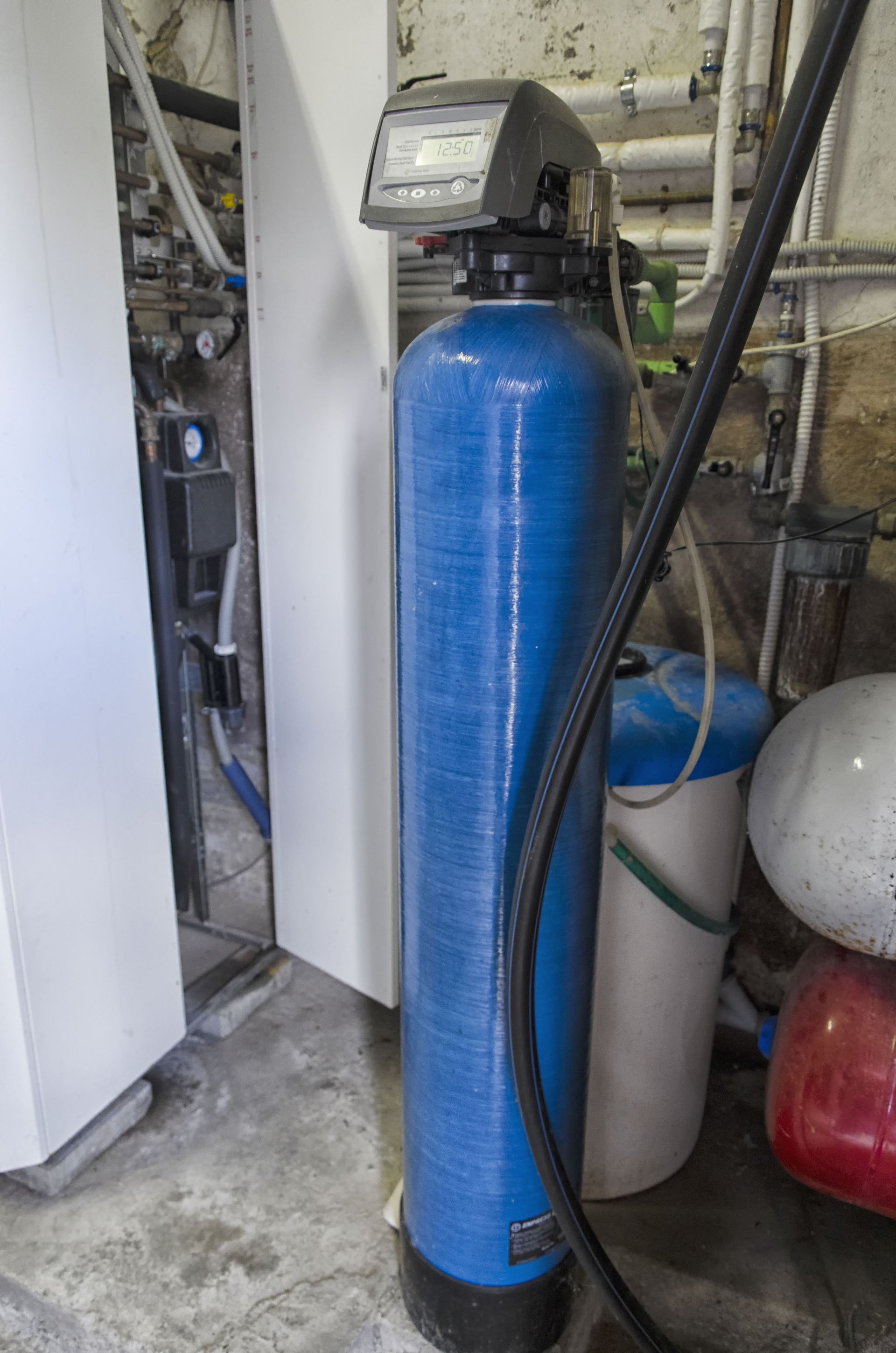
Most conventional water softeners use ion-exchange technology. Water passes through a tank containing resin beads that attract calcium and magnesium ions. These minerals are exchanged for sodium or potassium ions, reducing the hardness of the treated water.
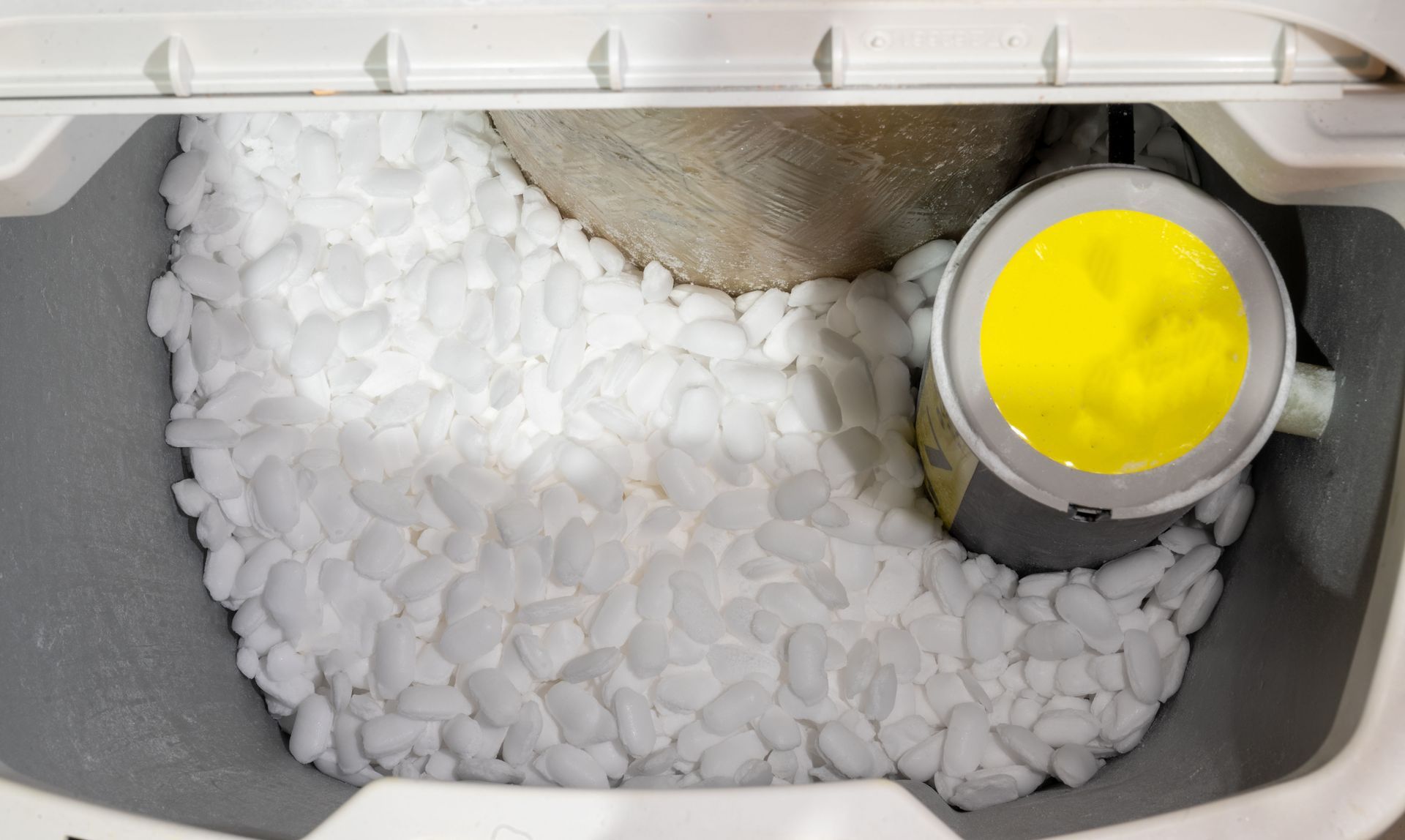
Over time, the resin requires regeneration using a concentrated salt solution. This process removes accumulated hardness minerals and restores the resin's ability to soften incoming water. Many new water softeners include demand-initiated regeneration controls that adjust regeneration frequency according to household water consumption.
According to This Old House, water softener resin beads may need replacement approximately every 10 to 15 years, depending on operating conditions and maintenance. Regular inspections and appropriate salt management help support reliable system performance.
Different Types of Water Softening Systems
Salt-based ion-exchange systems remain a common choice for households seeking effective mineral removal. Dual-tank systems provide additional treatment capacity and can maintain softened water availability while one tank regenerates. These configurations may benefit larger families with substantial daily water consumption.
Salt-free conditioners offer another approach by modifying how hardness minerals form deposits rather than removing them. However, their performance differs from traditional ion-exchange softeners. Magnetic and electronic treatment devices are also marketed, although evidence supporting consistent performance varies.
Comparing new water softeners requires understanding these differences, particularly whether a system actually removes hardness minerals or primarily addresses scaling. Professional water testing can help homeowners identify the most appropriate treatment technology.
What to Expect During Water Softener Installation
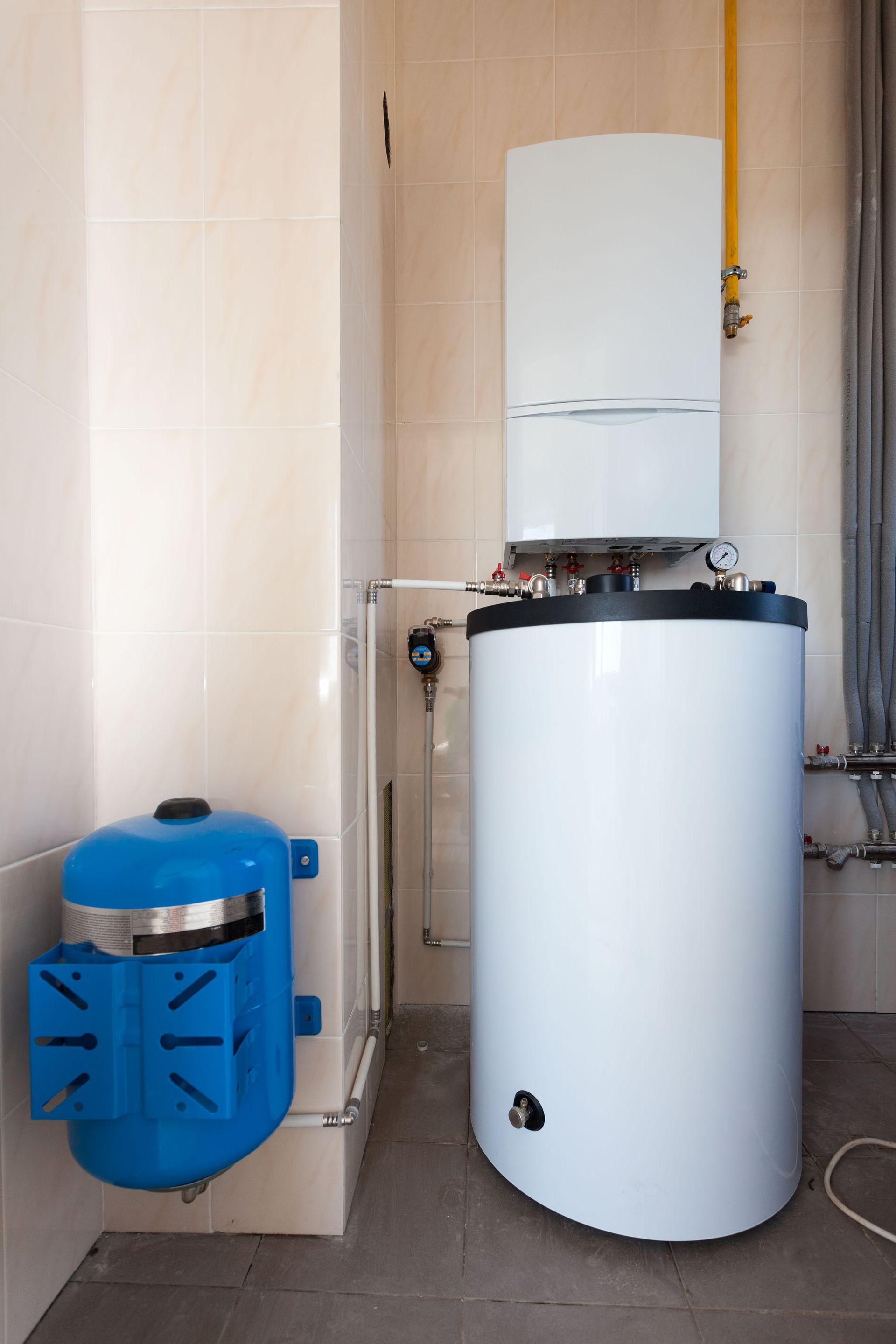
Professional installation generally begins with evaluating the home's plumbing configuration, available space, and water consumption. Installers typically position the system near the main water supply and an appropriate drainage connection. Bypass valves allow maintenance without completely interrupting household water service.
Once connected, the system is programmed according to water hardness and expected usage. Technicians may also test the treated water to confirm proper operation. Installation requirements vary depending on plumbing accessibility, local regulations, and equipment specifications.
Homeowners should request clear maintenance instructions, including recommendations for salt replenishment, cleaning, and periodic performance checks. Proper installation helps prevent leaks, drainage problems, and unnecessary water consumption during regeneration.
Understanding Initial and Long-Term Costs
Water softener prices depend on treatment capacity, technology, brand, and installation requirements. Basic equipment may cost several hundred dollars, while advanced systems can cost several thousand dollars. Professional installation, plumbing modifications, and electrical connections may increase the initial investment.
Operating expenses include regeneration salt, water consumption, occasional servicing, and eventual component replacement. However, new water softeners may offset some expenses by reducing scale-related appliance maintenance and improving detergent efficiency.
Actual savings depend on water hardness, household usage, energy costs, and equipment condition. Comparing installation estimates and ongoing operating expenses provides a more realistic understanding of long-term value.
Choosing the Right Water Softener for Your Household
Choosing an appropriate system begins with measuring water hardness and estimating daily water consumption. Household size, bathroom count, plumbing layout, and available installation space all influence equipment selection. Systems that are improperly sized may regenerate inefficiently or struggle to meet household demand.
Homeowners should also consider warranty coverage, service availability, regeneration efficiency, and relevant performance certifications. Comparing these features helps identify equipment that balances treatment effectiveness with manageable operating costs.
Consulting a qualified water treatment professional can clarify system specifications and identify potential installation concerns. A properly selected system should address existing hardness problems without creating unnecessary maintenance requirements.
Maintaining Water Quality and Household Efficiency
Routine maintenance is essential for keeping water softening equipment operating effectively. Homeowners should monitor salt levels, inspect the brine tank, and follow manufacturer recommendations for cleaning and servicing. Periodic hardness testing can reveal declining performance before noticeable scaling returns.
Installing
new water softeners represents a practical investment in household comfort, appliance protection, and cleaning efficiency. By selecting suitable equipment and maintaining it properly, homeowners can reduce mineral-related problems and support the long-term performance of their plumbing systems. Consistent maintenance and informed water treatment decisions help create a cleaner, more efficient household environment. Our experienced team also provides personalized recommendations to help homeowners maintain consistent water quality and maximize their system's overall efficiency. Contact our team at Elgin Water Care today and learn more about our water softener services.