May 5, 2026
A water softener is a valuable addition to any home, helping to reduce mineral buildup, improve water quality, and extend the life of plumbing and appliances. However, like any essential system, it requires consistent upkeep to perform at its best. Without proper care, even a high-quality unit can lose efficiency over time, leading to harder water, increased maintenance costs, and unnecessary wear on household fixtures. The following tips outline the most important steps to keep your system running smoothly while avoiding common issues that can arise from neglect.
1. Monitor Salt Levels Consistently
Check the Brine Tank Regularly
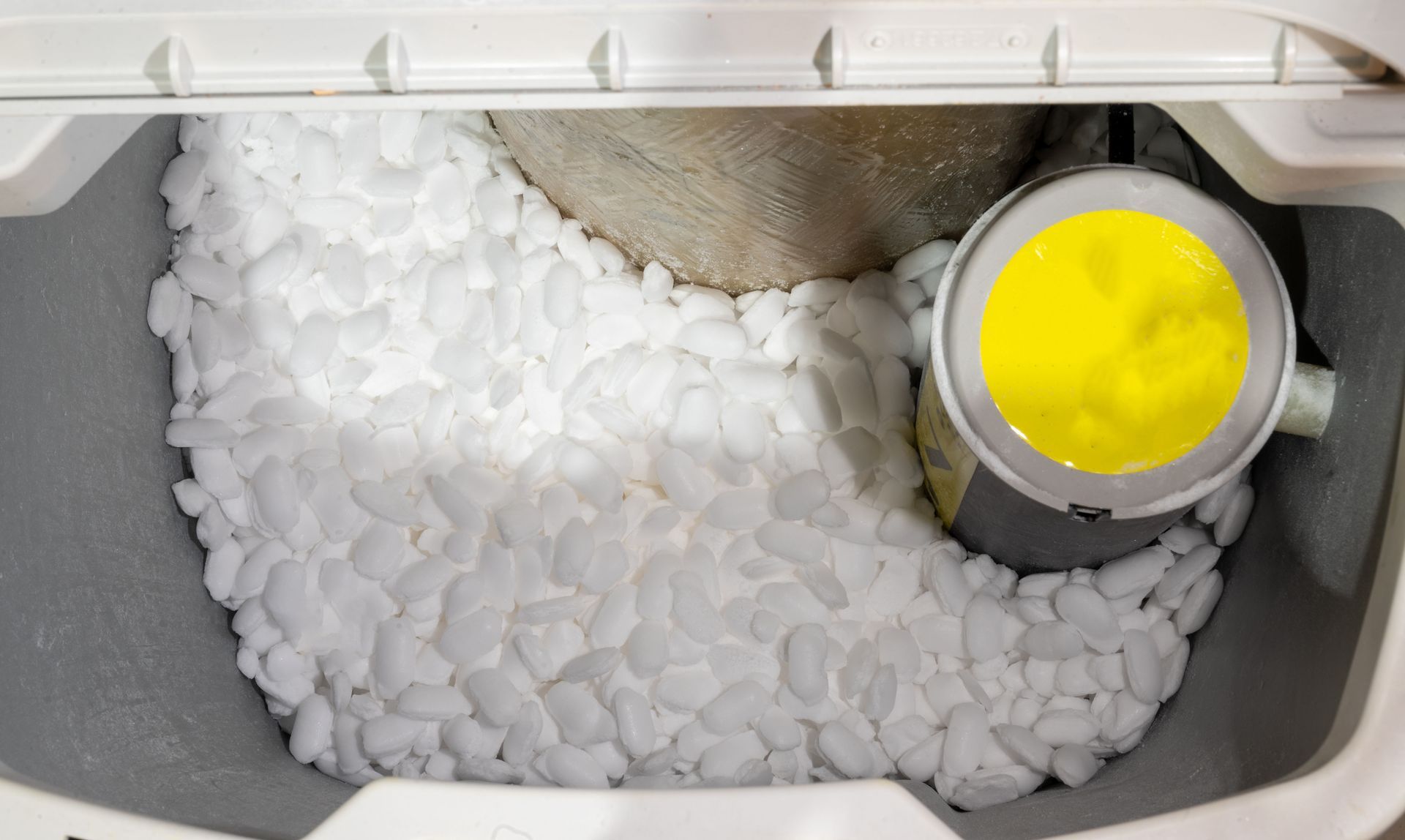
One of the most critical aspects of maintaining a new water softener is keeping a close eye on the brine tank. This component is responsible for holding the salt that facilitates the ion exchange process, which removes hardness minerals like calcium and magnesium from your water.
It is recommended to inspect the brine tank at least once a month, though households with higher water usage may need to check more frequently. When opening the tank, ensure that there is enough salt to remain above the water level at all times. A general rule is to keep the tank at least one-third full, but not completely packed to the top.
Maintaining proper salt levels also helps prevent interruptions in your water quality. A water softener relies on a steady supply of salt to function efficiently, and neglecting this basic step can quickly diminish its effectiveness. Staying consistent with inspections ensures that your system remains functional and dependable.
Use the Right Type of Salt
Not all salt products are created equal, and selecting the appropriate type can make a noticeable difference in how well your new water softener operates. Common options include rock salt, solar salt, and evaporated salt pellets, each with varying levels of purity and solubility.
Impurities found in lower-grade salts can accumulate over time, forming sediment that interferes with system performance. This buildup can restrict water flow, reduce regeneration efficiency, and increase the likelihood of maintenance issues. Choosing a high-quality salt significantly minimizes these risks.
Additionally, certain water conditions may call for specialized salt formulations designed to address issues such as iron content or mineral staining. Consulting with a professional can help determine the best option for your specific needs.
Prevent Salt Bridging and Mushing
Salt bridging is a common issue that occurs when a hard crust forms in the brine tank, creating a gap between the water and the salt supply. This prevents the salt from dissolving properly, even if the tank appears full. As a result, the system may stop softening water effectively without any obvious warning signs.
To prevent bridging, it is important to occasionally break up the salt layer using a broom handle or similar tool. Gently pressing down on the salt can reveal whether a solid mass has formed beneath the surface. If detected early, this issue can be resolved quickly without requiring extensive cleaning or repairs.
Another related problem is salt mushing, which occurs when salt turns into a thick sludge at the bottom of the tank. This can block the system's intake and reduce efficiency. Using high-quality salt and avoiding overfilling the tank can significantly reduce the chances of both bridging and mushing.
3. Clean the System Components Periodically
Flush the Brine Tank
Over time, residue and sediment can accumulate inside the brine tank, especially if lower-quality salt has been used. This buildup can hinder the system's ability to produce the brine solution needed for regeneration. Cleaning the tank periodically helps maintain optimal performance and prevents unnecessary strain on the system.
A thorough cleaning typically involves emptying the tank, removing any remaining salt, and scrubbing the interior with a mild cleaning solution. Once cleaned, the tank should be rinsed thoroughly before adding fresh salt. This process ensures that any lingering contaminants are removed and that the system starts with a clean slate.
Performing this maintenance task once every six to twelve months is usually sufficient for most households. However, homes with higher mineral content in their water may benefit from more frequent cleanings. Keeping the brine tank clean is a key factor in preserving the efficiency of a new water softener.
Inspect the Resin Bed
The resin bed plays a crucial role in the softening process by capturing hardness minerals as water passes through the system. Over time, the resin beads can become coated with iron, sediment, or other contaminants, reducing their effectiveness. Regular inspection helps identify any issues before they get worse.
If the resin becomes fouled, specialized cleaners can be used to restore its functionality. These cleaning solutions are designed to remove buildup without damaging the resin beads. In some cases, professional servicing may be recommended to ensure thorough treatment and optimal results.
Maintaining the resin bed is especially important for homes with high iron content in their water supply. Without proper care, the performance of a new water softener can gradually decline, leading to less effective softening. Routine inspections and cleaning help extend the life of this critical component.
Sanitize the System When Needed
Sanitizing your water softener is an important step in maintaining water quality and preventing the growth of bacteria within the system. While not required as frequently as other maintenance tasks, occasionally sanitizing can ensure that your water remains safe for everyday use.
This process typically involves adding a small amount of sanitizer to the brine tank and running a regeneration cycle. The solution circulates through the system, eliminating any potential contaminants. It is important to follow manufacturer guidelines and consult a professional to ensure proper application.
Regular sanitizing is particularly beneficial after periods of inactivity or if the system has been exposed to contamination. By incorporating this step into your maintenance routine, you can keep your new water softener operating in a clean and hygienic condition.
3. Schedule Professional Inspections and Tune-Ups
Identify Issues Early
While routine at-home maintenance is essential, professional inspections provide an additional layer of protection for your water softener. Trained technicians can identify potential problems that may not be immediately visible, such as worn components, internal blockages, or calibration issues.
Early detection allows for timely repairs, preventing minor concerns from developing into more significant and costly problems. A professional assessment also ensures that the system is operating at peak efficiency, which can help reduce water and salt usage over time.
Scheduling an annual inspection is a practical approach for most homeowners. This proactive step helps maintain the reliability of your new water softener and minimizes the risk of unexpected breakdowns.
Optimize System Settings
Every household has unique water usage patterns, and adjusting system settings accordingly can improve efficiency and performance. During a professional service visit, technicians can evaluate your water hardness level, usage habits, and system configuration to ensure optimal operation.
Fine-tuning settings such as regeneration frequency and cycle duration helps prevent unnecessary wear on the system while maintaining consistent water quality. These adjustments can also contribute to cost savings by reducing excess salt and water consumption.
A new water softener is designed to adapt to your household';s needs, but proper calibration is key to achieving the best results. Professional guidance ensures that your system operates efficiently and continues to meet your expectations.
Extend the System's Lifespan
Investing in regular professional maintenance can significantly extend the lifespan of your water softener. According to Today's Homeowner, most systems are built to function for approximately 10 to 15 years when properly maintained. This range highlights the importance of consistent care and timely servicing.
Routine tune-ups help preserve the condition of internal components, reducing the likelihood of premature failure. By addressing wear and tear early, homeowners can avoid costly replacements and maximize the value of their investment.
Combining professional servicing with regular at-home maintenance creates a comprehensive approach to system care. This ensures that your water softener remains a reliable part of your home for many years.
Maintaining a new water softener does not require complex procedures, but it does demand consistency and attention to detail. By monitoring salt levels, cleaning essential components, and scheduling professional inspections, homeowners can ensure that their system continues to perform efficiently. These straightforward practices not only protect your investment but also help maintain the comfort and convenience of soft water throughout your home. Be sure to contact Elgin Water Care for all of your water softening needs!