October 16, 2026
Hard water is a common issue that can lead to numerous problems, especially regarding the longevity and efficiency of household appliances. Understanding how water softeners address these issues can provide valuable insights for homeowners looking to protect their investments. According to US Water Systems, only about 25% of households have a water softener installed. Many people are unaware of the impact that water quality has on home appliances and the potential savings in maintenance and energy usage a water softener can provide. Addressing mineral content in household water provides long-term financial and functional advantages.
Understanding Hard Water and Its Composition
Hard water contains a high concentration of dissolved minerals, primarily calcium and magnesium, which are absorbed as water passes through deposits of limestone, chalk, or gypsum. Over time, these minerals precipitate out of the liquid and form hard scale deposits inside plumbing lines and water-using equipment. In addition to calcium and magnesium, trace amounts of iron and manganese can exacerbate staining and buildup within household fixtures. Measuring water hardness in grains per gallon (GPG) helps determine the precise mineral load entering the home.
The accumulation of mineral scale creates significant drag on appliance efficiency and structural integrity. When hard water interacts with soaps and detergents, it forms an insoluble curd rather than a rich lather, forcing homeowners to use significantly more cleaning agents to achieve standard results. Components exposed to untreated hard water suffer from accelerated mechanical wear, leading to frequent service calls or premature replacement of critical home infrastructure. Implementing targeted treatment methods mitigates these negative consequences effectively.
Evaluating Appliance Efficiency and Mineral Buildup
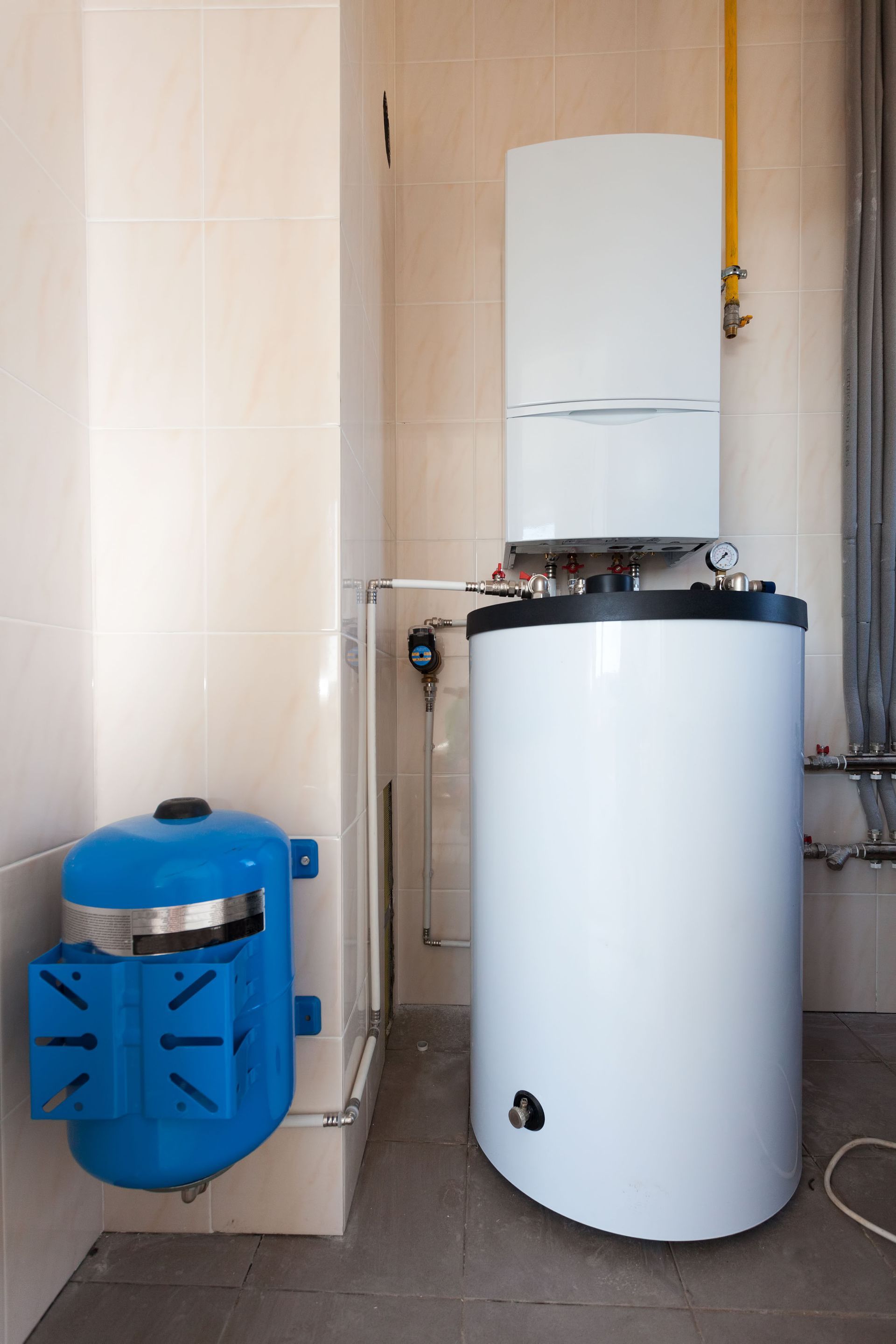
Water heaters are exceptionally vulnerable to hard water due to high operational temperatures that accelerate mineral precipitation. Scale settles along heating elements and base tanks, creating an insulating barrier that hinders heat transfer and forces the system to burn more fuel to maintain temperatures. This continuous strain lowers heating performance and elevates monthly energy bills significantly. Utilizing water softeners prevents thermal insulation buildup, allowing heating units to maintain optimal operating conditions throughout their natural lifecycle.
Dishwashers and washing machines experience noticeable performance drops when fed untreated water. In dishwashers, calcium deposits leave unsightly white spots on glassware and clog spray arms, while internal pumps wear out under continuous friction from mineral residue. Washing machines suffer from detergent curd binding to fabric fibers, causing clothes to become stiff and faded while promoting mildew growth inside rubber seals. Softened water allows detergents to dissolve completely, ensuring cleaner clothes, spot-free dishes, and longer equipment service lives.
Small appliances and plumbing networks also experience severe operational challenges from hard water exposure. Coffee makers, electric kettles, and steam irons suffer from blocked heating channels, leading to slow brewing times, unpleasant tastes, and eventual heating element failure. Concurrently, internal pipe networks collect scale layers that constrict water flow, increase line pressure, and accelerate joint corrosion. Eliminating dissolved minerals safeguards internal plumbing and delicate heating elements across all connected household devices.
Examining Softening Technologies and Installation Needs
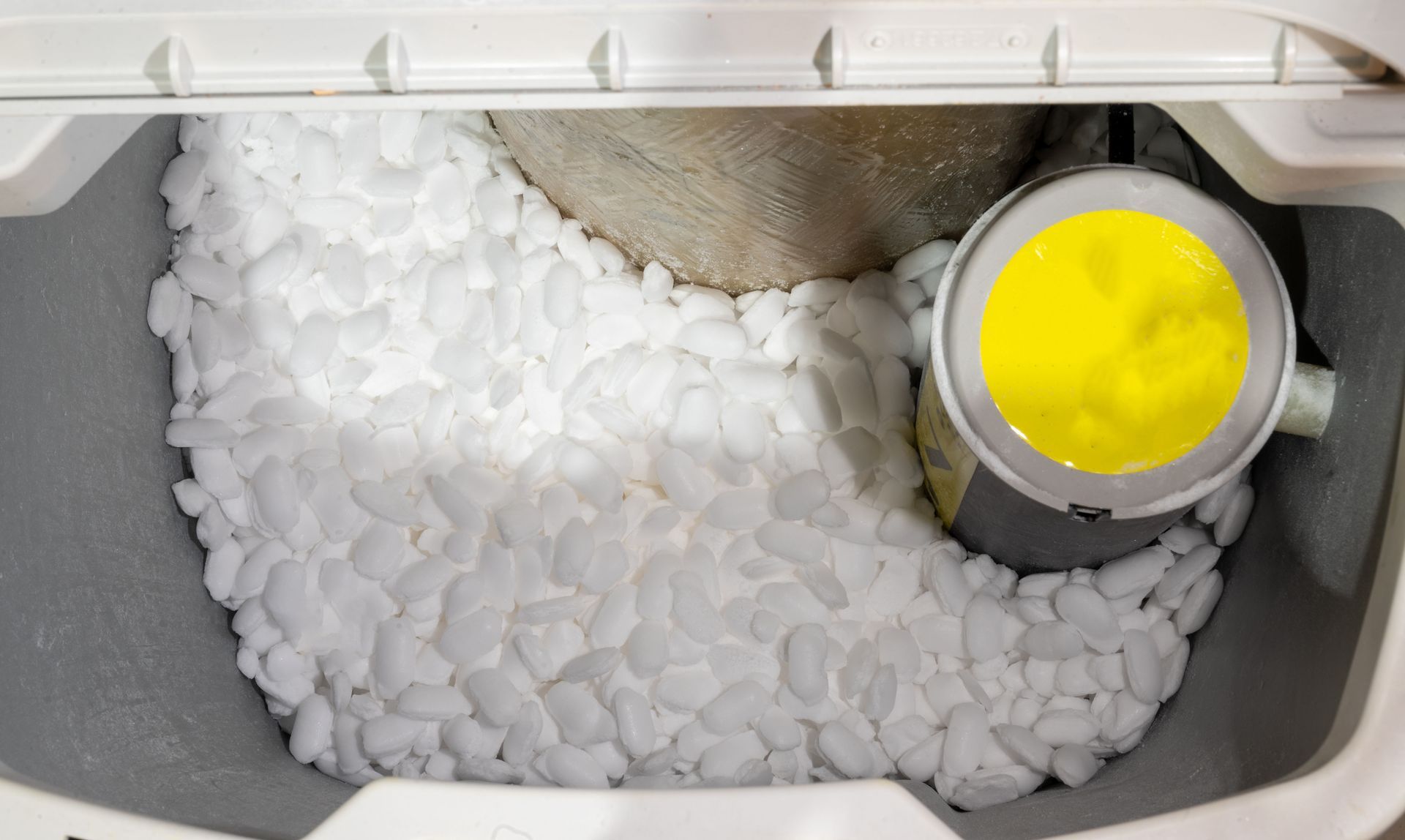
The core mechanism of traditional water softeners relies on ion exchange, where calcium and magnesium ions are swapped for sodium or potassium ions within a specialized resin bed. Once the resin beads become saturated with hard minerals, the system initiates a regeneration cycle using a concentrated salt brine solution to flush away the trapped minerals and recharge the resin. This cyclical process ensures a continuous supply of treated water throughout the property when properly sized and maintained.
Homeowners can choose between several distinct equipment options depending on their specific treatment requirements. Traditional salt-based ion exchange systems offer complete scale prevention by replacing hard minerals with sodium or potassium, making them ideal for high mineral concentrations. Salt-free conditioners offer a viable alternative by transforming minerals into harmless crystalline structures, which works well in moderate conditions where salt discharge is restricted. Additionally, electronic or magnetic conditioners offer low-maintenance scale reduction in mild water conditions by altering mineral electromagnetic fields to limit surface adhesion.
Selecting the right equipment requires evaluating water hardness, daily household consumption, and space considerations. Professional installation near the main water entry point guarantees that all fixtures receive consistent treatment. Routine maintenance primarily involves monitoring salt levels in the brine tank and scheduling periodic inspections to clear sediment and verify valve operations. Proper system sizing and diligent care ensure optimal return on investment through extended appliance durability.
Maximizing Long-Term Household Appliance Durability
Preventing mineral buildup directly translates into extended service life for primary home appliances. Washing machines, dishwashers, and water heaters operate with significantly less mechanical resistance when free from limescale encrustation. By keeping internal valves, seals, and heating elements clean, water softeners protect homeowners from unexpected breakdowns and expensive emergency service visits. Preventing small operational flaws from escalating ensures consistent appliance reliability year after year.
Energy savings represent another major advantage of operating appliances with softened water. Heating elements free of scale insulation require far less energy to achieve target temperatures, reducing gas or electricity consumption across water heaters and laundry units. Additionally, softened water enhances detergent efficiency, allowing households to achieve superior cleaning performance using up to 50% less soap and detergent, thereby saving money on household supplies while lowering chemical discharge.
Beyond financial savings, treated water preserves the visual and functional quality of household goods. Clothes washed in soft water retain their original colors and fabric softness longer, while glassware remains clear without abrasive scrubbers or rinse aids. Surfaces across sinks, tubs, and faucets stay free from stubborn mineral rings, making household cleaning quicker and less labor-intensive. Overall resource management improves as energy usage, detergent consumption, and equipment replacement frequencies decrease simultaneously.
Analyzing Environmental and Personal Wellness Factors
Using water softeners yields tangible environmental advantages by optimizing household resource consumption. When appliances operate without scale friction, they utilize less electricity and natural gas, helping reduce overall household carbon emissions. Because softened water maximizes detergent efficiency, families generate less plastic packaging waste from laundry jugs and dish soaps. Lowering chemical runoff protects local watersheds from excessive surfactant loading, supporting broader environmental conservation efforts.
While salt-based water softeners offer complete mineral removal, environmental considerations regarding brine discharge have encouraged the development of alternative technologies. In areas with strict chloride discharge regulations, salt-free conditioners provide a viable option for reducing scale without adding salt to wastewater systems. Exploring these different options allows property owners to select a softening method that balances regional environmental guidelines with specific household treatment goals.
Choosing the Ideal Softening System for Your Home
Selecting the ideal water softener requires an accurate analysis of your household's unique water profile and daily consumption habits. Obtaining a professional water test identifies exact mineral grain counts and detects secondary contaminants like iron or hydrogen sulfide that might require pre-filtration. Calculating daily peak flow rates based on household size ensures the selected system maintains optimal water pressure during high-demand periods without sacrificing softening performance.
When comparing different brands and models, prospective buyers should review certified performance metrics, grain capacity ratings, and warranty conditions. High-efficiency models with demand-initiated regeneration consume less salt and water during cleaning cycles, offering lower long-term operating costs. Reading independent consumer reviews and consulting local water treatment professionals helps clarify the differences between various commercial offerings, ensuring the selected unit aligns with household budgets and installation constraints.
Investing in quality water softening equipment provides long-term protection for your home's entire plumbing infrastructure and appliance inventory. Eliminating hard water scale minimizes energy waste, cuts repair costs, and enhances daily personal comfort across all water-using activities. Selecting a reliable system tailored to your property guarantees peace of mind and lasting appliance efficiency. For more information about the services that we offer, reach out to our incredible team at Elgin Water Care today!